
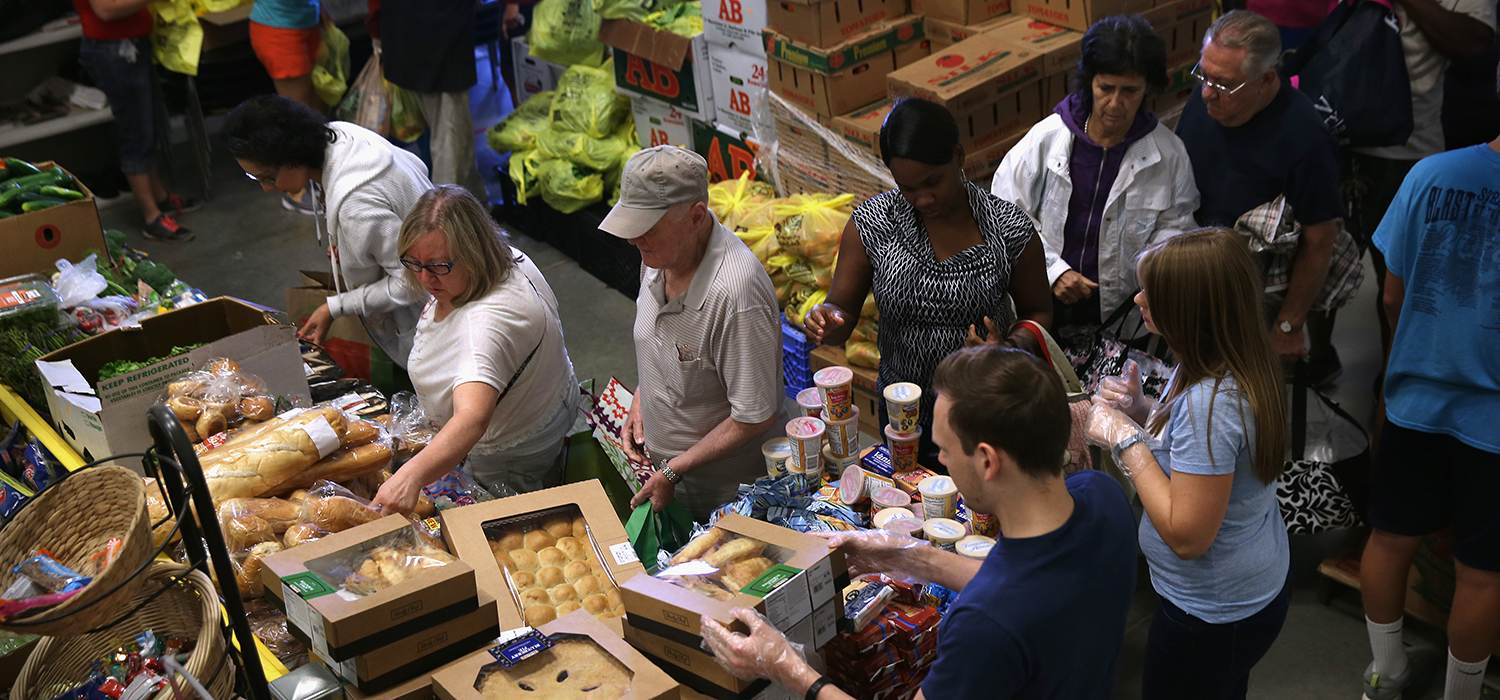
California’s hunger crisis presents one of the most striking paradoxes in American society: a state that produces nearly half the nation’s fruits and vegetables, yet where more than 1 in 5 residents—approximately 8.8 million people—struggle with food insecurity1. This devastating reality affects millions of families, including countless seniors who face the impossible choice between food and medicine, housing and nutrition. At Hope & Harmony, we witness daily how this crisis intersects with homelessness and housing instability among older adults, creating compounding challenges that threaten the dignity and well-being of our most vulnerable community members.
The numbers paint a sobering picture of need across the Golden State. Food insecurity rates have reached alarming levels, with 22% of households overall and 27% of households with children experiencing hunger as of September 20242. This represents a crisis that rivals the peak of the COVID-19 pandemic, yet continues to persist even as other emergency conditions have subsided.
California’s food banks delivered almost 900 million pounds of food in 2023, serving more than 6 million people each month—a 20% increase year over year, accomplished with only 4% more food to meet the increased need12. These organizations are straining under unprecedented demand while facing reduced resources, highlighting the urgent need for comprehensive solutions.
Among the most heartbreaking aspects of California’s hunger emergency is its disproportionate impact on older adults. Nearly 40% of low-income Californians over age 60 are food insecure, representing a 21% increase over the past fifteen years3. This trend runs counter to improvements seen in the general population, making senior hunger a growing crisis within the broader emergency.
The Health Consequences Are Severe: Seniors experiencing food insecurity face a 65% higher likelihood of developing diabetes and increased risks of congestive heart failure, high blood pressure, asthma, obesity, and gum disease4. The lack of sustained access to nutritious food leads to malnutrition, anemia, and depression, creating a cascade of health problems that can be life-threatening for older adults5.
The Impossible Choices: Food-insecure seniors often must choose between buying groceries and purchasing essential medications or visiting healthcare providers4. These decisions can have devastating consequences, as untreated chronic conditions worsen and preventable health crises emerge.
California’s high cost of living creates particular challenges for seniors on fixed incomes. Social Security benefits and modest retirement savings cannot keep pace with the state’s soaring housing and food costs. With California ranking last in the nation for affordable housing6, many seniors find themselves spending the majority of their income on rent, leaving little for nutritious food.
The state’s poverty statistics underscore the severity of the crisis: California has the highest poverty rate of any state at 13.2%, with over 5 million residents experiencing poverty6. Without safety net programs, an additional 3.9 million Californians would fall into poverty, demonstrating both the critical importance of existing programs and the underlying economic vulnerabilities.
Geographic Challenges: Many seniors, particularly those in minority communities, live in food deserts where full-service grocery stores are not easily accessible5. Physical limitations associated with aging, including decreased mobility and chronic conditions, compound these access issues.
Transportation and Social Isolation: Seniors may lack reliable transportation to reach grocery stores or may be unable to carry heavy bags of groceries. Social isolation means many lack assistance with shopping, creating additional barriers to food access.
Cultural and Dietary Needs: CalFresh households’ purchasing patterns often don’t reflect the foods they need, want, or find culturally appropriate, as shopping decisions are shaped primarily by high prices and limited access6.
At Hope & Harmony, we see firsthand how food insecurity and housing instability create a vicious cycle for seniors. When older adults are forced to choose between rent and food, both needs suffer. Seniors experiencing homelessness face even greater challenges accessing nutritious food, as they lack kitchen facilities for food preparation and storage.
Compounding Health Risks: For seniors living on the streets or in temporary housing, food insecurity compounds the already serious health risks of homelessness. Chronic conditions become harder to manage without consistent access to appropriate nutrition, leading to more frequent hospitalizations and emergency room visits.
Dignity and Independence: The loss of food security often represents a profound loss of independence and dignity for seniors who have lived self-sufficiently for decades. This psychological impact can lead to depression and social withdrawal, further isolating vulnerable older adults.
CalFresh, California’s version of the federal SNAP program, serves as the primary defense against hunger, keeping nearly 700,000 people out of poverty, including 312,000 children6. Over 5 million Californians participate in CalFresh, with 19% of participants living in families with elderly or disabled members6.
However, significant gaps remain. Only 66% of eligible Californians participate in CalFresh6, indicating that many seniors who could benefit from the program are not accessing it. The expansion of CalFresh benefits to Supplemental Security Income (SSI) recipients in 2019 was a major step forward, impacting nearly 1.2 million SSI recipients1, but outreach and enrollment challenges persist.
Programs like the Senior Food Program provide monthly supplemental food packages to income-eligible seniors aged 60 and over, with distribution sites throughout communities like San Diego County7. The Older Adult Nutrition Program in Santa Barbara County has evolved to include home delivery services for homebound seniors, providing two bags of groceries and fresh produce monthly8.
These programs represent important progress, but they reach only a fraction of seniors in need. The YWCA Greater Los Angeles Senior Enrichment Program demonstrates the power of comprehensive approaches that combine nutritious meals with nutrition education and social interaction5.
At Hope & Harmony, we recognize that stable housing and food security are inextricably linked. Our housing programs for at-risk seniors incorporate food security as a fundamental component of comprehensive care. We work to ensure that seniors transitioning from homelessness to stable housing have consistent access to nutritious food during this critical period.
Kitchen Access and Food Preparation: Our housing programs prioritize units with kitchen facilities, recognizing that the ability to prepare meals is essential for both nutrition and dignity. We provide cooking equipment and basic supplies to help seniors establish food security in their new homes.
Connection to Benefits: Our case managers work intensively with seniors to ensure they’re enrolled in all available food assistance programs, including CalFresh, senior food programs, and local food bank services. We provide ongoing support to navigate application processes and maintain benefits.
Coordinated Healthcare: We coordinate with healthcare providers to address the health consequences of food insecurity, ensuring that seniors receive treatment for malnutrition, diabetes, and other conditions exacerbated by poor nutrition.
Nutrition Education: Our programs include nutrition education tailored to seniors’ specific health needs and budget constraints. We help older adults make informed food choices that maximize both nutrition and affordability.
Social Connection: Recognizing that social isolation contributes to food insecurity, we create opportunities for seniors to share meals and connect with others, reducing the psychological burden of food insecurity.
CalFresh Improvements: We advocate for policies that make CalFresh more accessible to seniors, including simplified application processes, increased outreach in senior communities, and benefit levels that reflect the true cost of nutritious food in California.
Housing-Food Integration: Policies should recognize the connection between housing stability and food security, ensuring that housing programs for seniors include food security components and that food assistance programs consider housing costs.
Affordable Housing: The fundamental solution to senior food insecurity requires addressing California’s housing affordability crisis. Seniors need housing they can afford on fixed incomes, leaving adequate resources for food and healthcare.
Healthcare Cost Control: Reducing healthcare costs for seniors would free up resources for food and other basic needs. This includes prescription drug cost controls and expanded Medicare benefits.
Income Support: Improving Social Security benefits and creating state-level income supplements for seniors could help address the underlying economic vulnerabilities that lead to food insecurity.
Volunteer Support: Community members can volunteer with food banks, senior centers, and organizations like Hope & Harmony to provide direct assistance to food-insecure seniors. This includes helping with grocery shopping, meal preparation, and transportation to food distribution sites.
Advocacy and Awareness: Raising awareness about senior hunger and advocating for policy solutions at local, state, and federal levels can drive systemic change. Community members can attend city council meetings, contact representatives, and support ballot measures that address food insecurity.
Donation and Support: Financial contributions to food banks and senior service organizations provide essential resources for addressing immediate needs while building long-term capacity.
Neighborhood Networks: Creating informal support networks where neighbors check on seniors and assist with grocery shopping can help address isolation and access barriers.
Community Gardens: Developing community gardens in senior housing complexes and neighborhoods can provide access to fresh produce while creating social connections and purposeful activity.
Intergenerational Programs: Programs that connect younger community members with seniors can provide practical assistance while building understanding and connection across generations.
California’s hunger crisis among seniors is not inevitable. With coordinated action, adequate resources, and sustained commitment, we can create a future where no older adult faces the choice between food and other basic needs.
Immediate Relief: Expanding food assistance programs, increasing funding for food banks, and improving access to existing benefits can provide immediate relief to seniors facing hunger.
Systemic Change: Addressing the root causes of senior food insecurity requires comprehensive approaches that tackle housing affordability, healthcare costs, and income adequacy simultaneously.
Community Engagement: Building communities that support and value their senior members creates the social infrastructure necessary for long-term solutions.
At Hope & Harmony, we remain committed to addressing the intersection of homelessness, housing instability, and food insecurity among California’s seniors. Our comprehensive approach recognizes that these challenges cannot be addressed in isolation—they require coordinated responses that honor the dignity and worth of every older adult.
We work daily with seniors who have faced the terror of choosing between rent and food, between medicine and meals. Through our housing programs, healthcare coordination, and advocacy efforts, we’re building a network of care that ensures no senior faces these impossible choices alone.
Our Promise: Every senior deserves stable housing, nutritious food, and the support they need to age with dignity. We will continue to fight for policies and programs that make this vision a reality, while providing immediate assistance to seniors in crisis.
The Call to Action: California’s hunger crisis among seniors demands all of our attention and action. Whether through volunteering, advocacy, or support for organizations working on the front lines, every community member has a role to play in creating a future where abundance means abundance for all.
The paradox of hunger in California’s land of plenty is not just a policy challenge—it’s a moral imperative. Our elders have contributed to building the communities we enjoy today. Ensuring they have enough to eat is not just good policy; it’s a reflection of our values and our commitment to justice.
Together, we can end senior hunger in California. Together, we can build communities where every older adult has access to the nutrition they need to thrive. At Hope & Harmony, we’re proud to be part of this essential work, and we invite you to join us in creating hope, building harmony, and ensuring that California’s abundance reaches every senior in need.
Hope & Harmony stands ready to support seniors facing food insecurity and housing instability. Our comprehensive services address the complex challenges facing California’s most vulnerable older adults. Contact us today to learn how you can help create a future where every senior has access to stable housing and nutritious food.